


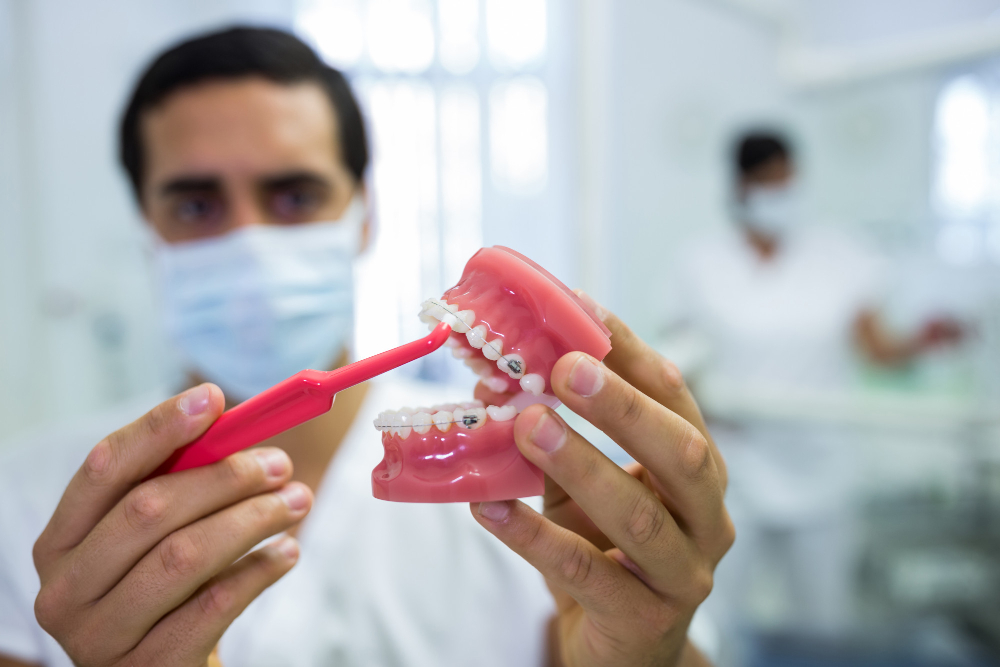
Fixed Partial Dentures (FPD) are a common dental solution for missing teeth. They help restore your smile and improve chewing. Many people know them as a fixed dental bridge. If you have lost one or more teeth, FPD can fill the gap. This guide explains what FPD are, why they matter, and how they can help you. Understanding your dental restoration options is important for your health and confidence.
What Are Fixed Partial Dentures (FPD)?
Fixed Partial Dentures, or FPD, are artificial teeth that replace missing ones. Unlike removable dentures, FPD are cemented in place. They use nearby healthy teeth for support. Dentists often call them fixed dental bridges. Because they are fixed, you cannot remove them at home. FPD look and feel like natural teeth. They help you chew, speak, and smile with ease.
Common Symptoms and Signs Indicating the Need for FPD
Sometimes, you may not notice the effects of missing teeth right away. However, certain signs suggest you might need FPD. For example, you may have trouble chewing or speaking. You might also notice changes in your bite or jaw pain. Here are some common signs:
If you notice these symptoms, it is wise to see a dentist soon.
Causes of Tooth Loss Leading to FPD
Many reasons can lead to tooth loss. Because missing teeth can affect your health, it is important to know the causes. Common reasons include:
When teeth are lost, FPD can help restore function and appearance.
Diagnosis: How Dentists Determine the Need for FPD
First, your dentist will examine your mouth. They may ask about your dental history and symptoms. Next, they will check the health of your gums and nearby teeth. X-rays help dentists see the bone and roots. After gathering this information, your dentist will decide if FPD is right for you. Sometimes, other dental restoration options may be suggested. The American Dental Association recommends regular dental visits for early detection.
Treatment Process: Getting Fixed Partial Dentures
The FPD procedure usually takes a few visits. Here is what you can expect:
Each step is done with care to ensure comfort and a good fit. Your dentist will explain each part of the FPD procedure.
Benefits and Risks of FPD
Fixed Partial Dentures offer many benefits. However, there are also some risks to consider. Here are the main points:
Overall, most people find FPD safe and helpful. Still, regular care is needed to avoid problems.
Care and Maintenance Tips for FPD
Proper care helps your FPD last longer. Here are some simple tips on how to care for FPD:
With good care, your fixed dental bridge can last many years.
Prevention: How to Avoid Needing FPD
While FPD are helpful, it is best to keep your natural teeth healthy. You can lower your risk of tooth loss by following these steps:
Because prevention is easier than treatment, these habits can protect your smile.
Frequently Asked Questions about FPD
For more details, visit trusted sources like the American Dental Association or talk to your dentist.
Need advice about Fixed Partial Dentures? Consult Wisdom Dental for expert care and answers tailored to your dental needs.