
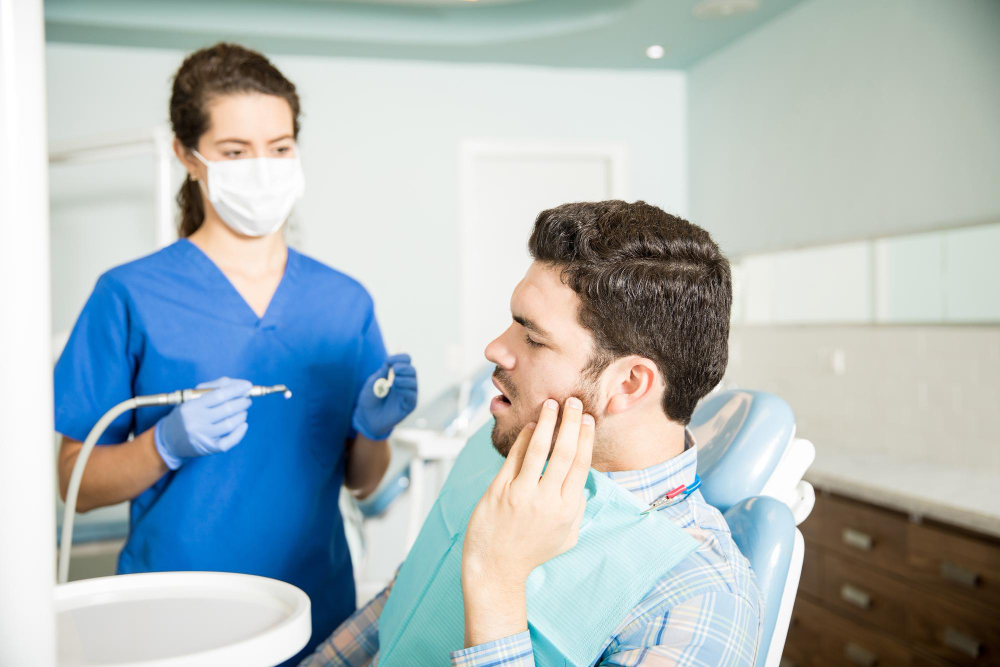
Dental trauma in youth sports happens when a child injures their teeth or mouth while playing. These injuries can include chipped, broken, or even knocked-out teeth. Preventing dental trauma in youth sports is important because it helps protect a child’s smile and overall health. Many injuries can be avoided with the right steps. Parents and coaches play a big role in keeping kids safe during games and practices.
Common Causes of Dental Trauma in Youth Sports
Many sports put children at risk for dental injuries. Contact sports and activities with fast movement are the most common causes. For example, a ball, bat, or another player can hit a child’s mouth. Sometimes, falls or collisions also lead to dental trauma.
Symptoms and Types of Dental Injuries
Dental injuries can look different depending on the type and cause. However, knowing the signs helps parents and coaches act quickly. Common dental injuries in youth sports include:
Sometimes, children may feel pain, swelling, or bleeding. In other cases, a tooth may look out of place or change color. If any of these symptoms appear, it is important to seek dental care right away.
Effective Prevention Strategies
Prevention is the best way to avoid dental trauma in youth sports. Simple steps can make a big difference. For example, using the right gear and teaching safe play are key. Here are some practical tips for parents and coaches:
According to the American Dental Association, mouthguards can prevent up to 60% of sports-related dental injuries. Therefore, making mouthguards a habit is one of the best ways to protect your child’s teeth.
Immediate Steps After Dental Injury
If a dental injury happens, quick action can help save a tooth. Parents and coaches should stay calm and follow these first aid steps:
Even if the injury seems minor, it is wise to visit a dentist. Early care can prevent long-term problems.
Long-Term Care and Recovery
After a dental injury, follow-up care is important for healing. Dentists may need to check the tooth, take X-rays, or provide treatment. Sometimes, more than one visit is needed. Children should avoid hard foods and follow the dentist’s advice during recovery. Regular dental check-ups help monitor healing and prevent future problems. With proper care, most children recover well from dental injuries.
Role of Parents, Coaches, and Schools
Parents, coaches, and schools all share the job of keeping children safe. Education is key. For instance, teaching kids about dental safety and the importance of mouthguards helps build good habits. Coaches should set rules for safe play and make sure all players use the right gear. Schools can support dental safety by having clear policies and providing information to families. Working together, adults can lower the risk of dental trauma in youth sports.
Conclusion
Dental trauma in youth sports is common but often preventable. By using mouthguards, teaching safe play, and acting quickly after injuries, parents and coaches can protect children’s smiles. For more advice on youth sports dental safety, consult your dentist at Wisdom Dental for personalized tips on preventing sports dental injuries and keeping your child’s teeth healthy.